1. Understanding Personal Finance Management Apps
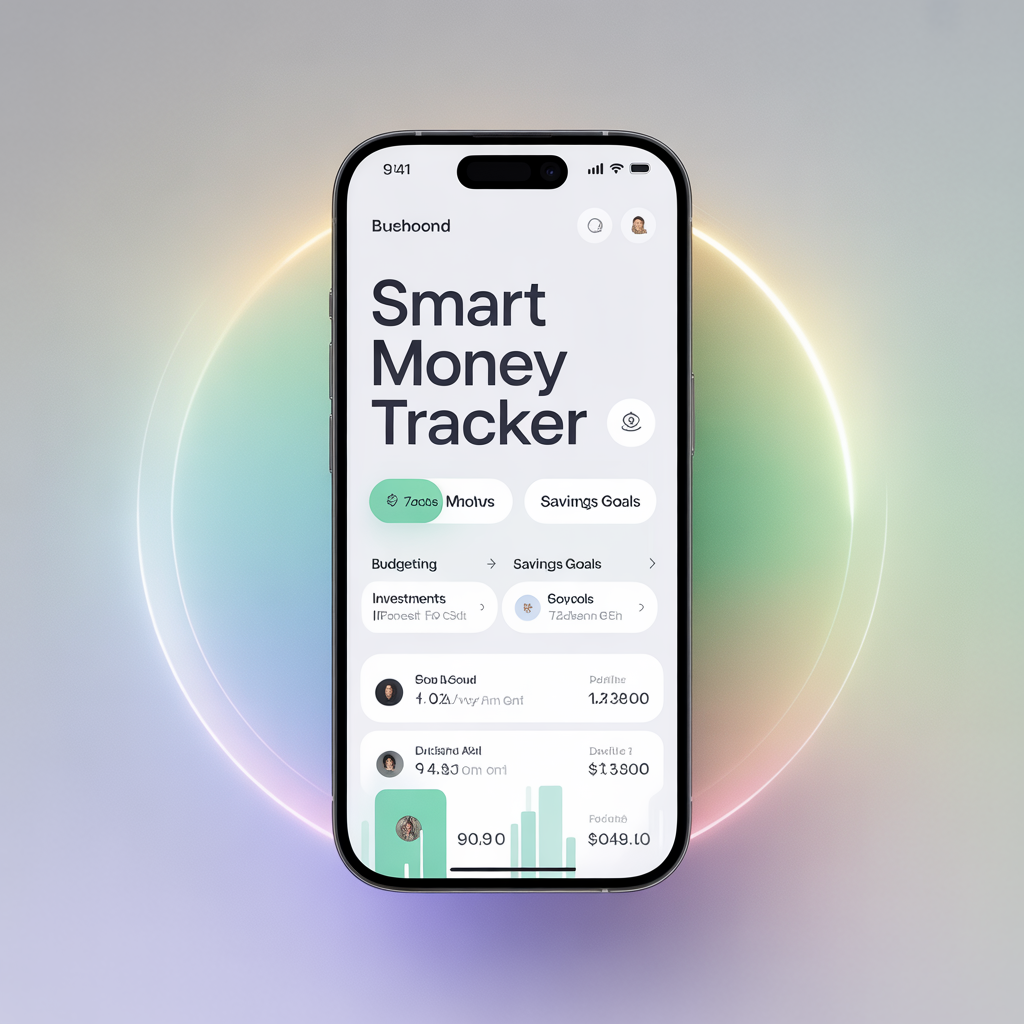
Personal Finance Management App In today’s fast-paced digital world, managing money has evolved far beyond spreadsheets and handwritten budgets. Personal finance management apps have emerged as powerful tools that help individuals track, organize, and optimize their financial lives. These apps are designed to bring all aspects of money management—income, expenses, savings, investments, and debts—into one convenient platform.
At their core, personal finance apps simplify complex financial processes. Instead of manually calculating expenses or remembering due dates, users can rely on automation and real-time insights. Most apps connect directly to bank accounts, credit cards, and even investment portfolios, offering a unified dashboard of financial activity. This integration provides a clear picture of where money is coming from and where it is going.
One of the most appealing features of these apps is their accessibility. With smartphones becoming essential tools in everyday life, users can monitor their finances anytime, anywhere. Whether you’re commuting, shopping, or relaxing at home, your financial data is just a few taps away. This convenience encourages consistent engagement, which is critical for effective money management. Personal Finance Management App
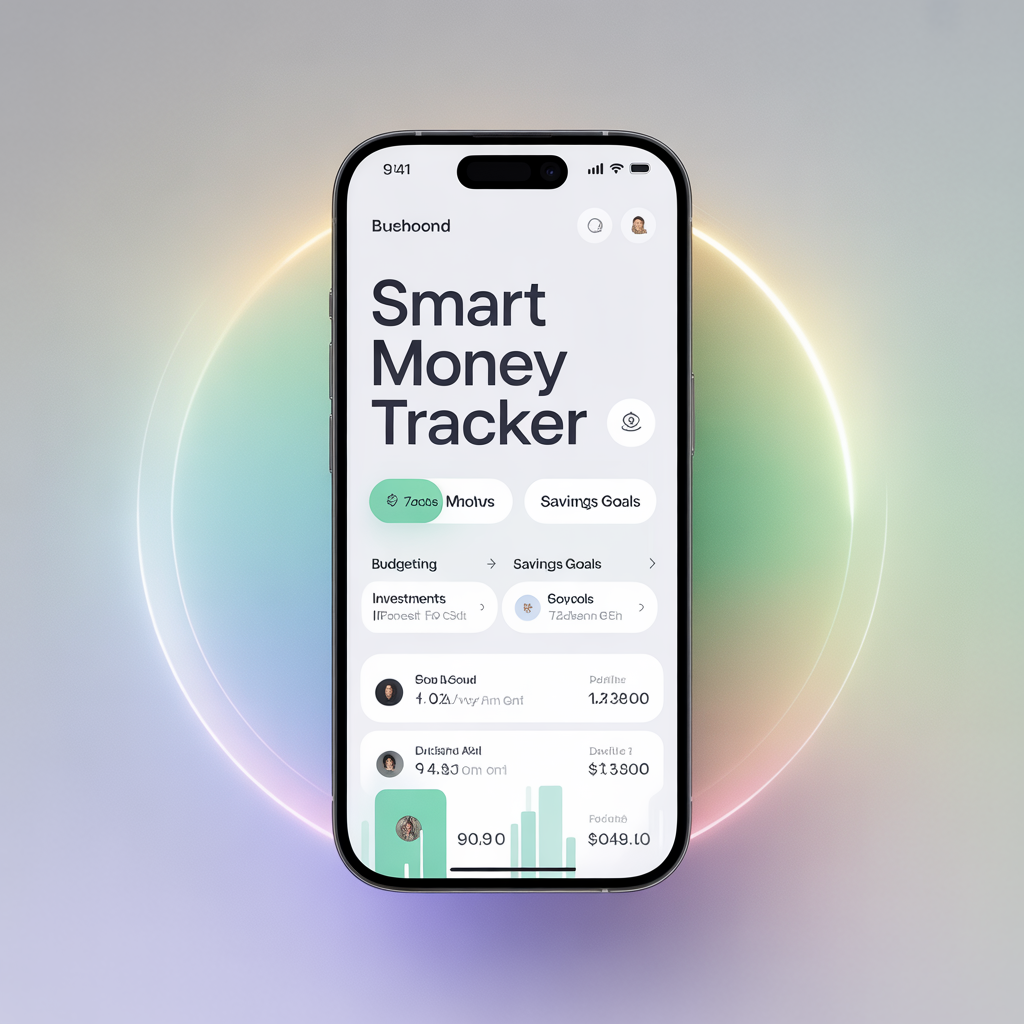
Another key advantage is the ability to set financial goals. Whether it’s saving for a house, paying off debt, or building an emergency fund, personal finance apps help users define and track their objectives. Many apps use visual progress indicators, such as charts and milestones, which make the journey toward financial goals more motivating and transparent.
Security is also a major component. Modern personal finance apps employ advanced encryption technologies to protect sensitive financial data. While users may initially feel hesitant about linking their accounts, most reputable apps prioritize privacy and security to ensure trust and reliability.
In essence, personal finance management apps act as digital financial advisors. They empower users with knowledge, automate routine tasks, and provide actionable insights. As financial literacy becomes increasingly important, these apps play a crucial role in helping individuals make informed decisions and achieve long-term financial stability.
2. Key Features of
Personal finance management apps offer a wide range of features designed to simplify and enhance financial control. While each app may differ in design and functionality, several core features are commonly found across most platforms.
One of the most fundamental features is expense tracking. These apps automatically categorize transactions, allowing users to see how much they spend on groceries, transportation, entertainment, and other categories. This breakdown helps identify spending patterns and areas where adjustments can be made. Instead of guessing where money goes, users gain a precise understanding of their financial habits.
Budgeting tools are another essential component. Users can set monthly spending limits for different categories, and the app will monitor progress in real time. Notifications and alerts are often sent when users approach or exceed their budget, helping them stay on track. This proactive approach to budgeting encourages discipline and reduces the likelihood of overspending.
Savings management is also a major feature. Many apps allow users to create multiple savings goals and allocate funds accordingly. Some even offer automated savings options, where a certain amount is transferred to a savings account based on predefined rules. This automation removes the need for constant decision-making and promotes consistent saving behavior.
Bill tracking and reminders help users avoid late payments and penalties. By syncing with accounts or allowing manual input, apps can notify users of upcoming due dates. This feature is particularly useful for managing recurring expenses such as rent, utilities, and subscriptions.
Investment tracking is becoming increasingly popular in personal finance apps. Users can monitor their portfolios, track market performance, and analyze returns. While not all apps offer advanced investment tools, many provide basic insights that help users stay informed about their financial growth.
Another valuable feature is financial reporting. Apps generate detailed reports and visualizations, such as graphs and charts, to illustrate financial trends over time. These insights help users understand their progress and make data-driven decisions.
Lastly, customization and personalization enhance user experience. Many apps allow users to tailor categories, set preferences, and adjust settings according to their needs. This flexibility ensures that the app aligns with individual financial goals and lifestyles.
Together, these features create a comprehensive financial management system. By combining automation, insights, and user-friendly design, personal finance apps transform the way individuals interact with their money.
3. Benefits of Using a
The benefits of using a extend far beyond simple convenience. These tools have the potential to transform financial habits, improve decision-making, and ultimately lead to greater financial security.
One of the most significant advantages is increased financial awareness. Many people struggle with understanding their spending habits, often underestimating how much they spend in certain areas. Personal finance apps provide a clear and detailed view of financial activity, helping users become more conscious of their behavior. This awareness is the first step toward making meaningful changes.
Another key benefit is improved budgeting. With real-time tracking and alerts, users can maintain better control over their finances. Instead of reacting to overspending after it happens, they can make adjustments proactively. This leads to more disciplined spending and better allocation of resources.
Time-saving is another important factor. Manual financial management can be tedious and time-consuming. Personal finance apps automate tasks such as transaction tracking, categorization, and reporting. This allows users to focus on strategic decisions rather than administrative work.
Debt management is also significantly improved. Many apps provide tools to track loans, credit card balances, and repayment schedules. Some even offer strategies for paying off debt more efficiently, such as prioritizing high-interest accounts. By having a clear overview of debt obligations, users can develop effective repayment plans.
Goal achievement becomes more attainable with the help of these apps. Whether it’s saving for a vacation, building an emergency fund, or investing for retirement, users can set specific targets and monitor their progress. The visual representation of goals helps maintain motivation and accountability.
Another benefit is reduced financial stress. Uncertainty about money can be a major source of anxiety. By providing clarity and control, personal finance apps help users feel more confident about their financial situation. Knowing exactly where you stand financially can bring peace of mind.
Additionally, these apps promote better financial habits over time. Consistent use encourages users to review their finances regularly, make informed decisions, and stay committed to their goals. Over time, these habits become ingrained, leading to long-term financial stability.
In summary, personal finance management apps are powerful tools that offer both immediate and long-term benefits. They simplify financial management, enhance awareness, and empower users to take control of their financial future.
4. Challenges and Considerations
While personal finance management apps offer numerous advantages, they are not without challenges. Understanding these limitations is essential for making informed decisions and using these tools effectively.
One of the primary concerns is data security. Since these apps require access to sensitive financial information, users must trust that their data is protected. Although most reputable apps use strong encryption and security measures, the risk of data breaches cannot be completely eliminated. Users should carefully research apps, read reviews, and choose platforms with a proven track record of security.
Another challenge is the learning curve. Some apps come with a wide range of features that may be overwhelming for beginners. Navigating through settings, categories, and reports can be confusing initially. However, with time and practice, most users become comfortable with the interface and functionality.
Accuracy of data can also be an issue. While automated transaction tracking is convenient, it is not always perfect. Users need to regularly review and verify their data to ensure accuracy.
Dependence on technology is another consideration. Relying heavily on an app for financial management means that any technical issues, such as app crashes or connectivity problems, can disrupt access to important information. It is advisable to have backup records or alternative methods for tracking finances.
Cost is also a factor for some users. While many apps offer free versions, advanced features often come with subscription fees. Users must evaluate whether the benefits justify the cost and choose an app that fits their budget.
Privacy concerns may arise as well. Some apps collect user data for analytics or marketing purposes. Understanding the app’s privacy policy and how data is used is crucial for maintaining control over personal information. Personal Finance Management App
Lastly, over-reliance on automation can be a drawback. While automation simplifies processes, it may reduce active engagement with finances. Users should remain involved and not rely solely on the app to make decisions. Personal Finance Management App
Despite these challenges, most can be managed with careful selection and responsible usage. By being aware of potential issues and taking proactive steps, users can maximize the benefits of personal finance management apps while minimizing risks.
5. The Future of Personal Finance Management Apps
The future of personal finance management apps looks promising, driven by rapid advancements in technology and increasing demand for smarter financial tools.
One of the most significant trends is the integration of artificial intelligence (AI). AI-powered features can analyze spending patterns, predict future expenses, and provide personalized financial advice. Instead of simply tracking data, apps will act as intelligent assistants that guide users toward better financial decisions.
Another emerging trend is the use of machine learning for predictive analytics. By analyzing historical data, apps can forecast financial trends and help users prepare for upcoming expenses. This proactive approach enhances financial planning and reduces uncertainty.
Open banking is also shaping the future of personal finance apps. This system allows secure sharing of financial data between institutions, enabling apps to provide more comprehensive insights. Users can manage multiple accounts from different banks within a single platform, creating a seamless financial experience.
Gamification is becoming increasingly popular as well. By incorporating elements such as rewards, challenges, and achievements, apps make financial management more engaging and enjoyable. This approach encourages consistent use and motivates users to achieve their goals.
Integration with other financial services is another key development. Personal finance apps are expanding beyond basic tracking to include features such as investment management, insurance, and even financial education. This holistic approach transforms apps into all-in-one financial ecosystems.
Mobile technology will continue to play a central role. With improvements in user interface design and performance, apps will become more user-friendly and accessible. Voice commands and virtual assistants may also become standard features, allowing users to manage finances through simple interactions.
Security advancements will further enhance user trust. Biometric authentication, such as fingerprint and facial recognition, is already being implemented and will likely become more widespread. These technologies provide an additional layer of protection for sensitive data.
In the long term, personal finance management apps may become indispensable tools for financial well-being. As they continue to evolve, they will not only help users manage money but also educate and empower them to achieve financial independence.
Conclusion
Personal finance management apps have revolutionized the way individuals handle their money. By combining convenience, automation, and powerful insights, these tools make financial management more accessible and effective than ever before. From tracking expenses and creating budgets to setting goals and analyzing trends, they offer a comprehensive solution for modern financial challenges.
While there are some challenges, such as security concerns and learning curves, the benefits far outweigh the drawbacks when used responsibly. With continuous advancements in technology, the future of these apps is bright, promising even greater capabilities and user experiences. Personal Finance Management App