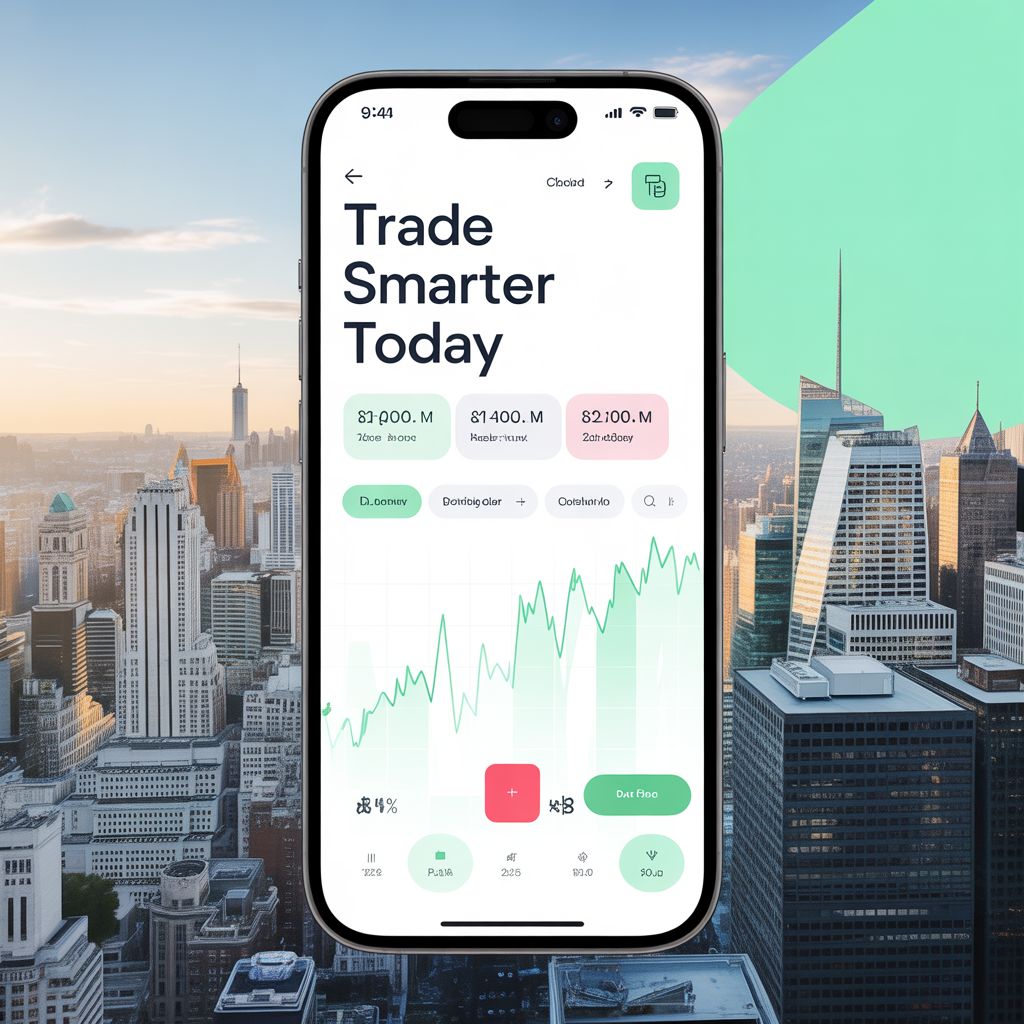
Stock Trading App USA The way people invest in the stock market has changed dramatically over the past decade. In the past, trading stocks required calling a broker, paying high commissions, and having significant financial knowledge. Today, technology has transformed investing into something almost anyone can access directly from their smartphone. allows individuals to buy and sell stocks, ETFs, and other assets in just a few taps. These apps have made investing faster, cheaper, and more convenient than ever before.
Modern trading platforms combine powerful technology, real-time data, educational tools, and simple interfaces. Apps like Robinhood, E*TRADE, TD Ameritrade, and Webull have attracted millions of users across the United States. Whether someone is a beginner looking to invest their first $100 or an experienced trader managing a large portfolio, stock trading apps provide the tools needed to participate in financial markets. Stock Trading App USA
This article explores the world of stock trading apps in the United States. It explains how these apps work, their key features, advantages and risks, popular platforms, and tips for choosing the best trading app. By understanding these aspects, investors can make informed decisions and take advantage of the opportunities provided by modern trading technology.
1. What Is a Stock Trading App? Stock Trading App USA
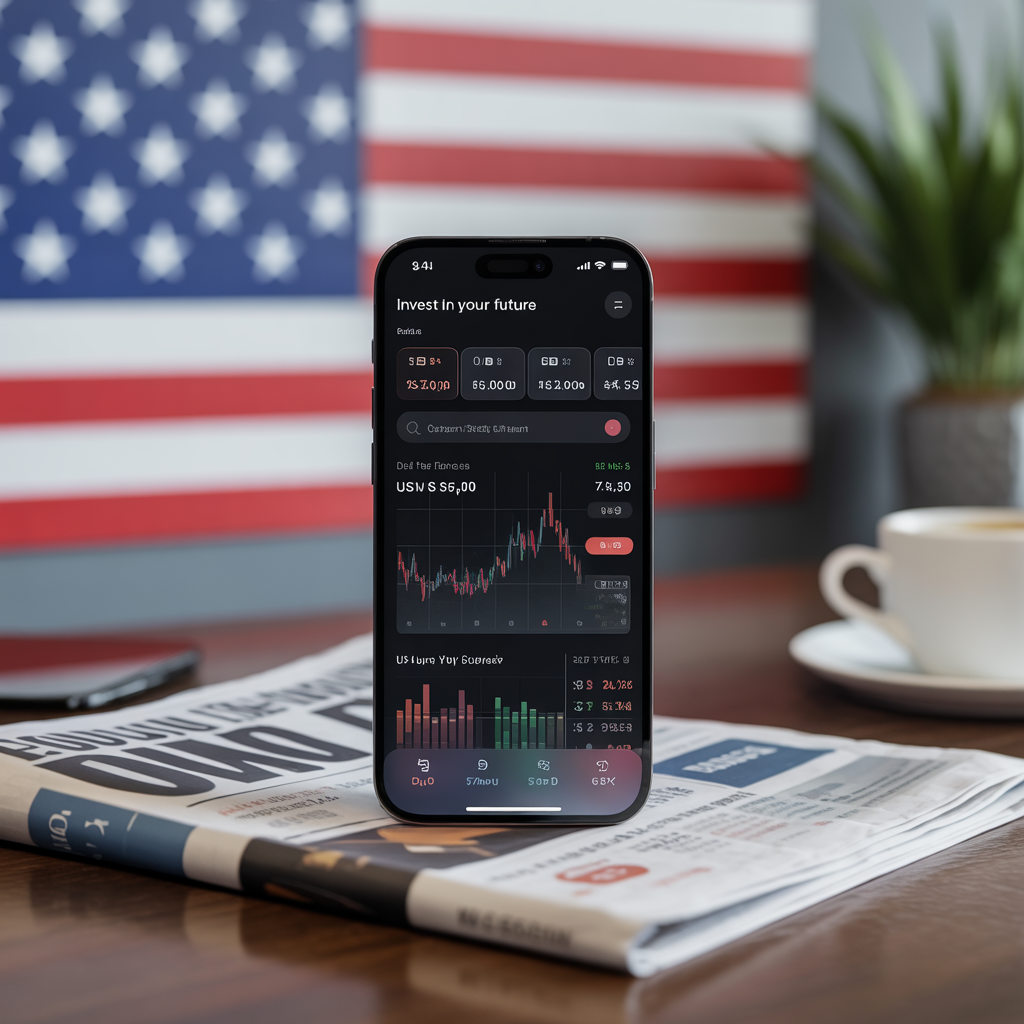
A stock trading app is a mobile or web-based platform that allows users to buy and sell financial assets such as stocks, exchange-traded funds (ETFs), options, and sometimes cryptocurrencies. These apps connect individual investors directly to stock exchanges such as the New York Stock Exchange and the NASDAQ.
In the United States, stock trading apps are regulated by financial authorities to protect investors. Many platforms operate under brokerage firms that are members of the Financial Industry Regulatory Authority (FINRA) and the Securities and Exchange Commission (SEC). These regulations ensure transparency, security, and fair trading practices. Stock Trading App USA
The basic function of a stock trading app is simple. After downloading the app and opening an account, users deposit money from their bank account. Once funds are available, they can search for companies, view stock prices, analyze charts, and place buy or sell orders. Most apps provide real-time market data, allowing investors to monitor their investments instantly.
One of the most significant innovations introduced by trading apps is commission-free trading. Previously, brokers charged fees for every trade, sometimes costing $10 or more per transaction. Platforms like Robinhood revolutionized the industry by eliminating trading commissions, encouraging competitors to follow the same model.
Another key aspect of trading apps is accessibility. Instead of needing advanced financial tools or professional brokers, anyone with a smartphone and internet connection can participate in the stock market. This has dramatically increased the number of retail investors in the United States, especially among younger generations.
Stock trading apps also offer features such as portfolio tracking, price alerts, financial news, and investment research. These tools help investors make more informed decisions and manage their portfolios effectively. For beginners, many platforms also provide tutorials, articles, and virtual trading simulations.
Overall, stock trading apps represent a major shift in how people invest. They democratize access to financial markets and empower individuals to take control of their financial future.
2. Key Features of Stock Trading Apps
Stock trading apps in the USA provide a wide range of features designed to help users analyze the market and execute trades efficiently. While each platform has unique characteristics, most share several essential tools.
One of the most important features is real-time market data. Investors can track the price of stocks as they change throughout the trading day. This data includes price charts, trading volume, and historical performance. Many apps also provide advanced charting tools with indicators that help traders identify trends and patterns.
Another key feature is order execution. Users can place different types of orders, such as market orders, limit orders, stop orders, and stop-limit orders. These order types allow investors to control when and how their trades are executed, helping them manage risk and maximize profits.
Portfolio management tools are also central to trading apps. Investors can monitor the performance of their investments, view profit and loss statements, and track diversification across sectors. This helps users understand how their portfolios are performing over time.
Educational resources are increasingly important as well. Platforms like TD Ameritrade and E*TRADE offer learning centers with articles, videos, webinars, and tutorials designed to help new investors understand the basics of trading and investing.
Many apps also integrate financial news and analysis. Users can read market updates, earnings reports, and economic news directly within the app. This information helps traders stay informed about events that could influence stock prices.
Another valuable feature is fractional share investing. Instead of purchasing an entire share of a company, investors can buy a small portion of a share. For example, if a stock costs $500, an investor can still buy $50 worth of it. This makes it easier for people with limited capital to invest in high-value companies.
Advanced trading apps may also include options trading, margin trading, and advanced technical analysis tools. These features are typically used by more experienced investors who want greater control and flexibility in their trading strategies.
Overall, the combination of powerful tools, user-friendly design, and real-time information makes stock trading apps an essential part of modern investing.
3. Popular
The United States has one of the most competitive brokerage markets in the world. Several trading apps have become extremely popular due to their ease of use, low fees, and powerful features.
One of the most well-known platforms is Robinhood. This app gained widespread popularity for introducing commission-free trading and a simple, intuitive interface. It is particularly popular among younger investors who want a straightforward way to start trading stocks, ETFs, and cryptocurrencies.
Another leading platform is Webull. Webull offers advanced charting tools, detailed market data, and extended trading hours. It is often preferred by traders who want more technical analysis capabilities while still enjoying commission-free trades.
E*TRADE is one of the oldest online brokerage platforms in the United States. It provides a comprehensive range of services, including retirement accounts, investment research, and professional-level trading tools. Its mobile app is powerful and suitable for both beginners and experienced investors.
Similarly, TD Ameritrade offers one of the most advancedhttp://stock.com trading platforms available. Its thinkorswim platform is widely respected for its sophisticated charting tools and trading features. Many serious traders prefer it for options trading and detailed market analysis.
Another major player is Fidelity Investments, which is known for its strong reputation, research tools, and customer service. Fidelity offers commission-free trading and provides extensive educational resources for investors of all levels.
Each of these platforms has its strengths. Some focus on simplicity and ease of use, while others emphasize professional trading tools and research. Choosing the right app depends on an investor’s goals, experience level, and preferred trading style.
4. Advantages and Risks of Using Stock Trading Apps
Stock trading apps offer many advantages that make investing easier and more accessible. However, they also come with certain risks that investors should understand before getting started.
One of the biggest advantages is convenience. Investors can trade anytime and anywhere using their smartphones. Whether they are at home, at work, or traveling, they can monitor the market and manage their portfolios instantly.
Another advantage is lower costs. Most major trading apps now offer commission-free trading for stocks and ETFs. This allows investors to buy and sell assets without worrying about high brokerage fees.
Accessibility is also a major benefit. In the past, investing in the stock market often required large amounts of capital. Today, many apps allow investors to start with just a few dollars thanks to fractional share investing.
Stock trading apps also encourage financial education. With built-in learning resources and market insights, users can gradually improve their understanding of investing and develop better financial habits.
Despite these benefits, there are also risks. One risk is overtrading. Because trading is so easy and accessible, some investors may buy and sell stocks too frequently, which can lead to losses.
Another risk is market volatility. Stock prices can change rapidly due to economic events, company news, or global developments. Investors who are not prepared for these fluctuations may panic and make poor decisions.
Security is another important consideration. Although reputable platforms use advanced encryption and security measures, users should still protect their accounts by using strong passwords and enabling two-factor authentication.
Finally, investors should remember that stock trading always involves risk. Even with the best tools and research, there is no guarantee of profit. Successful investing requires patience, discipline, and a long-term perspective.
5. How to Choose the Best Stock Trading App
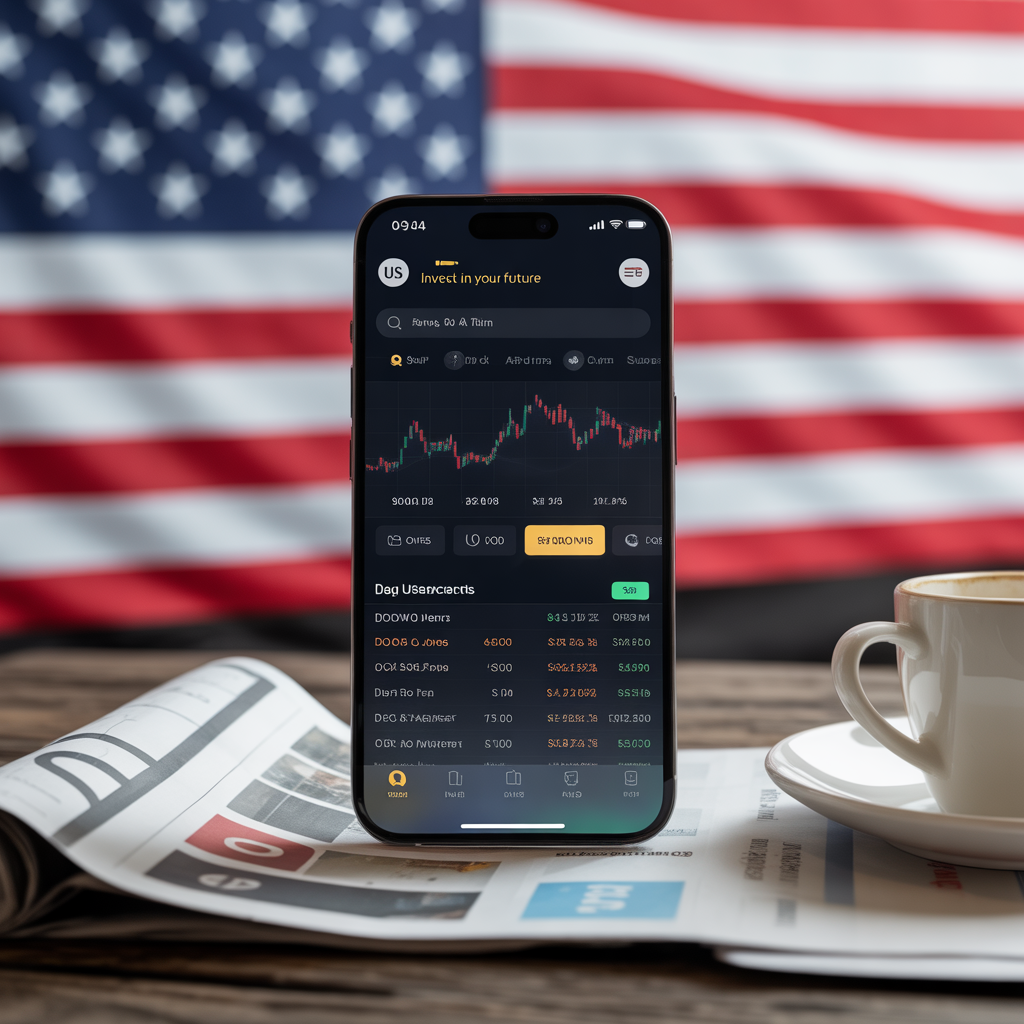
Choosing the right stock trading app is an important decision for any investor. With so many options available in the United States, it is essential to compare features, fees, and overall usability.
One of the first factors to consider is ease of use. Beginners often prefer apps with simple interfaces and clear navigation. Platforms like Robinhood are known for their user-friendly design.
Another important factor is trading fees and costs. Although many apps offer commission-free trading, some still charge fees for options trading, margin trading, or other services. Investors should carefully review the fee structure before choosing a platform.
Research tools and educational resources are also important. Platforms that provide market analysis, financial news, and learning materials can help investors make more informed decisions.
Security and reputation should also be considered. It is important to choose a brokerage that is regulated and well established. Firms such as Fidelity Investments and TD Ameritrade have strong reputations and long histories in the financial industry.
Customer support is another factor that many investors overlook. A reliable support team can help resolve issues quickly and provide assistance when needed.
Finally, investors should think about their long-term goals. Some people want to actively trade stocks every day, while others prefer long-term investing. The best trading app will depend on individual investment strategies and preferences.
By comparing features, costs, and services, investors can choose a platform that best suits their needs and helps them achieve their financial goals.
Conclusion Stock Trading App USA
Stock trading apps have transformed the investment landscape in the United States. What was once a complex and expensive process is now accessible to millions of people through simple mobile applications. Platforms such as Robinhood, Webull, E*TRADE, and TD Ameritrade have made it possible for everyday individuals to participate in the financial markets with just a smartphone.
These apps provide powerful tools including real-time market data, educational resources, advanced trading features, and portfolio management systems. They have lowered the barriers to entry for investing and empowered people to take control of their financial futures.
However, investing through stock trading apps also requires responsibility and knowledge. Markets can be unpredictable, and investors must understand the risks involved. Successful investing requires careful research, patience, and a disciplined approach.